Harvest 2026 Begins: Early Picking, Beautiful Balance and a New Idea Takes Shape

Harvest season has started unusually early this year at Famille Fabre, with our first Chardonnay grapes picked on August 7th, followed just a few days later by the Merlot destined for our rosé wines on August 11th.

After three consecutive vintages marked by severe drought and significant water stress, 2026 is bringing a welcome change. Thanks to more favorable growing conditions and better water availability, our vines have faced the summer with greater resilience and balance. While the harvest dates are among the earliest we’ve seen, the vines have maintained excellent health and fruit quality throughout the season.

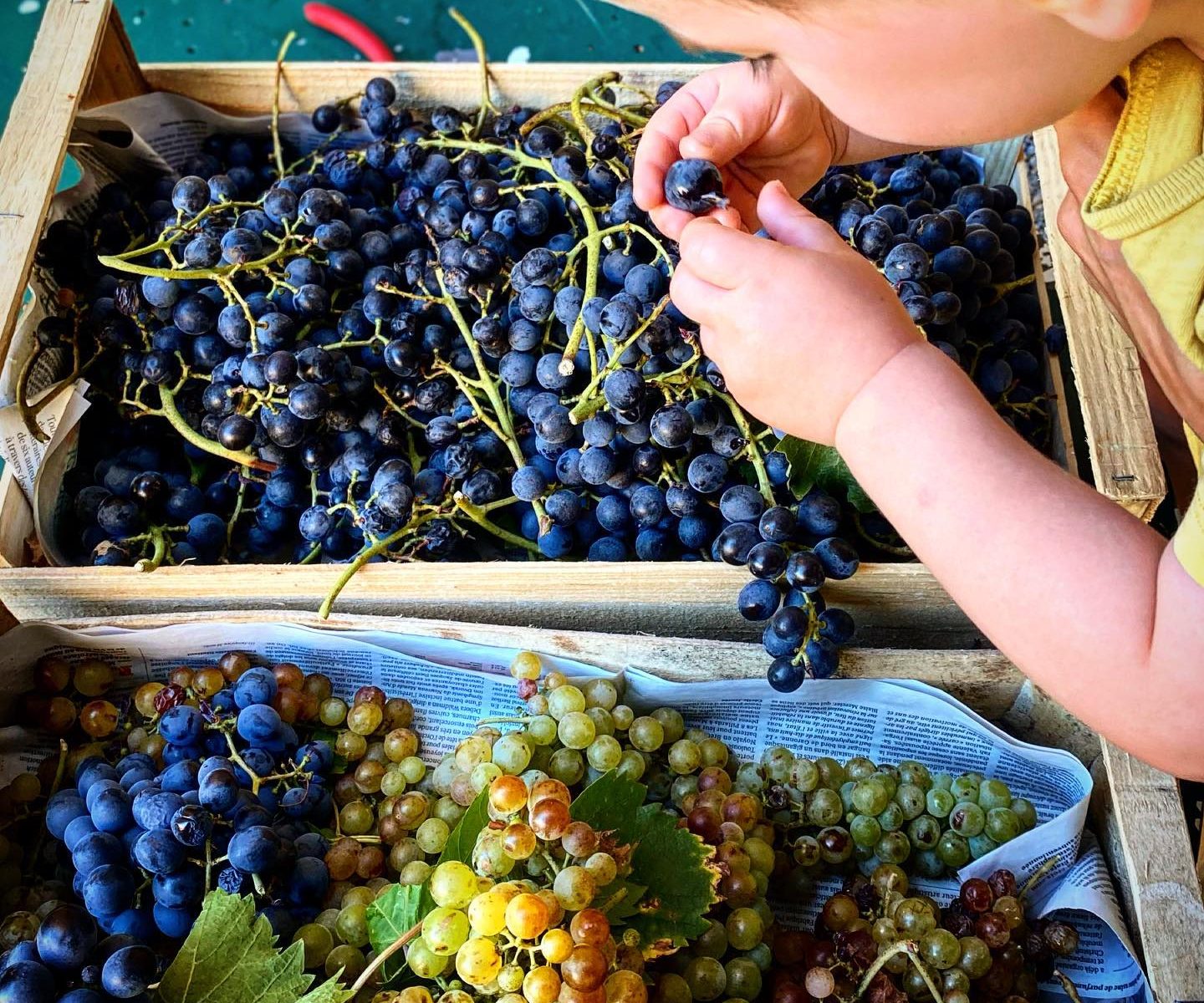
Walking through the vineyards, we are delighted to find beautifully balanced grapes, showing both freshness and concentration. The berries have ripened evenly, offering promising levels of acidity, fruit expression and aromatic intensity.

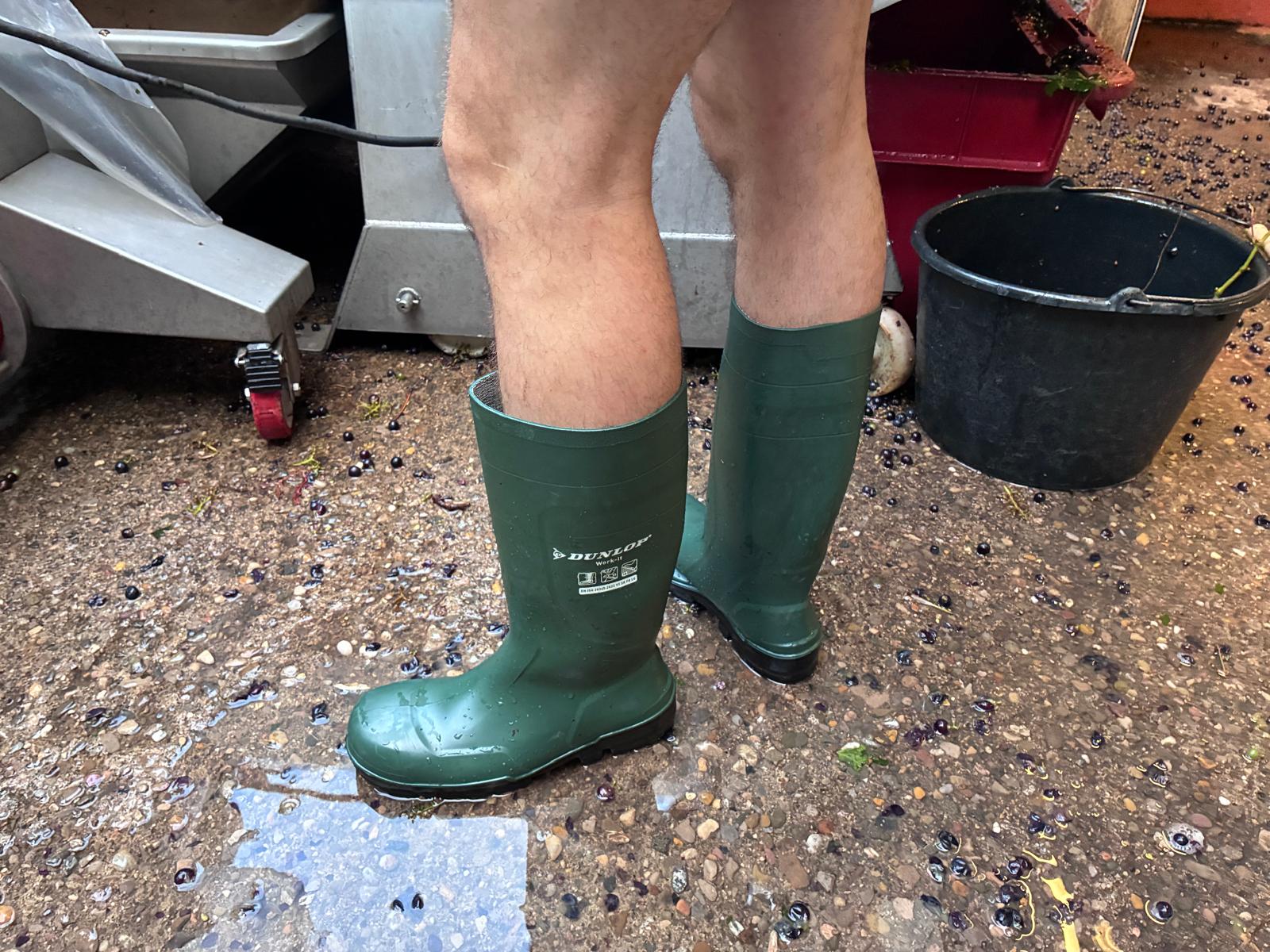
The excitement continues in the cellar. As the first grapes arrived and the juices began to flow, we were immediately struck by their quality. Bright, fresh and bursting with fruit, these early juices are already a pleasure to taste. Their purity and aromatic richness are remarkable, capturing the essence of the vintage from the very first pressings.

In fact, the juices are tasting so good that they have inspired a new idea among the family: why not produce our own grape juice this year?

We usually focus on transforming these wonderful grapes into wines, but some of the first juices are so delicious that they deserve to be enjoyed just as they are. Naturally sweet, refreshing and full of character, they offer a different way to experience the fruit of our vineyards.

Of course, the harvest is only just beginning, and many more varieties are still to come. The coming weeks will reveal the full personality of the 2026 vintage. But these first days have already filled us with optimism.

Early harvest dates, healthier vines, less water stress and exceptionally promising juices: the 2026 vintage is off to a wonderful start at Famille Fabre.

Stay tuned as we follow the harvest through the weeks ahead! 🍇✨🍷

🌿 Famille Fabre renews its commitment: BIOED certification for the second consecutive year

At Famille Fabre, every vintage tells a story of passion, heritage… and commitment. Today, we are proud to share an important milestone: we have been awarded the BIOED label for the second year in a row. A recognition that confirms the path we have chosen together.

✅ What does the BIOED label mean?

The BIOED label (Bio Entreprise Durable) goes far beyond organic certification. It highlights companies that are committed to a global approach to responsibility, integrating:

  • environmental respect
  • team well-being
  • ethical and transparent governance
  • strong local engagement

In concrete terms, this means our commitment doesn’t stop in the vineyard or the cellar: it extends to everything we do, from production to customer relationships, and including everyday team life.

🌱 What this renewal means for us

Receiving this label for the first time was a great achievement.
Earning it again for a second consecutive year… is confirmation.

👉 It proves that our commitment is deep, structured, and long-term, not just a one-time effort.
👉 It shows that we are moving in the right direction, continuously improving our practices.
👉 It reflects our determination to innovate and challenge ourselves to do even better.

At Famille Fabre, this recognition resonates strongly with our vision:
to craft living, authentic wines in harmony with our environment and human values.

👏 A huge congratulations to our teams!

Behind this certification are, above all, the people who make it possible every day.

We want to extend a heartfelt thank you to all our teams:

  • in the vineyard, for their dedicated and environmentally respectful work
  • in the cellar, for their precision and high standards
  • in sales and administration, for carrying our values forward
  • and to everyone contributing, directly or indirectly, to this collective effort

This renewal is truly a team achievement, built on shared values and a common ambition to move forward together.

🚀 What’s next?

This second BIOED certification is not a final destination — it’s another step forward.

It encourages us to:

  • go even further in our sustainable practices
  • continue innovating (in our wines, our offers, and our wine tourism experiences)
  • strengthen our connection with our region and our community

Because at Famille Fabre, we believe the wine of tomorrow is built today, with conviction, creativity, and responsibility.


🌿 Thank you to everyone who supports us on this journey — our teams, partners, and clients. Together, we are shaping a more committed and inspiring vision of wine.

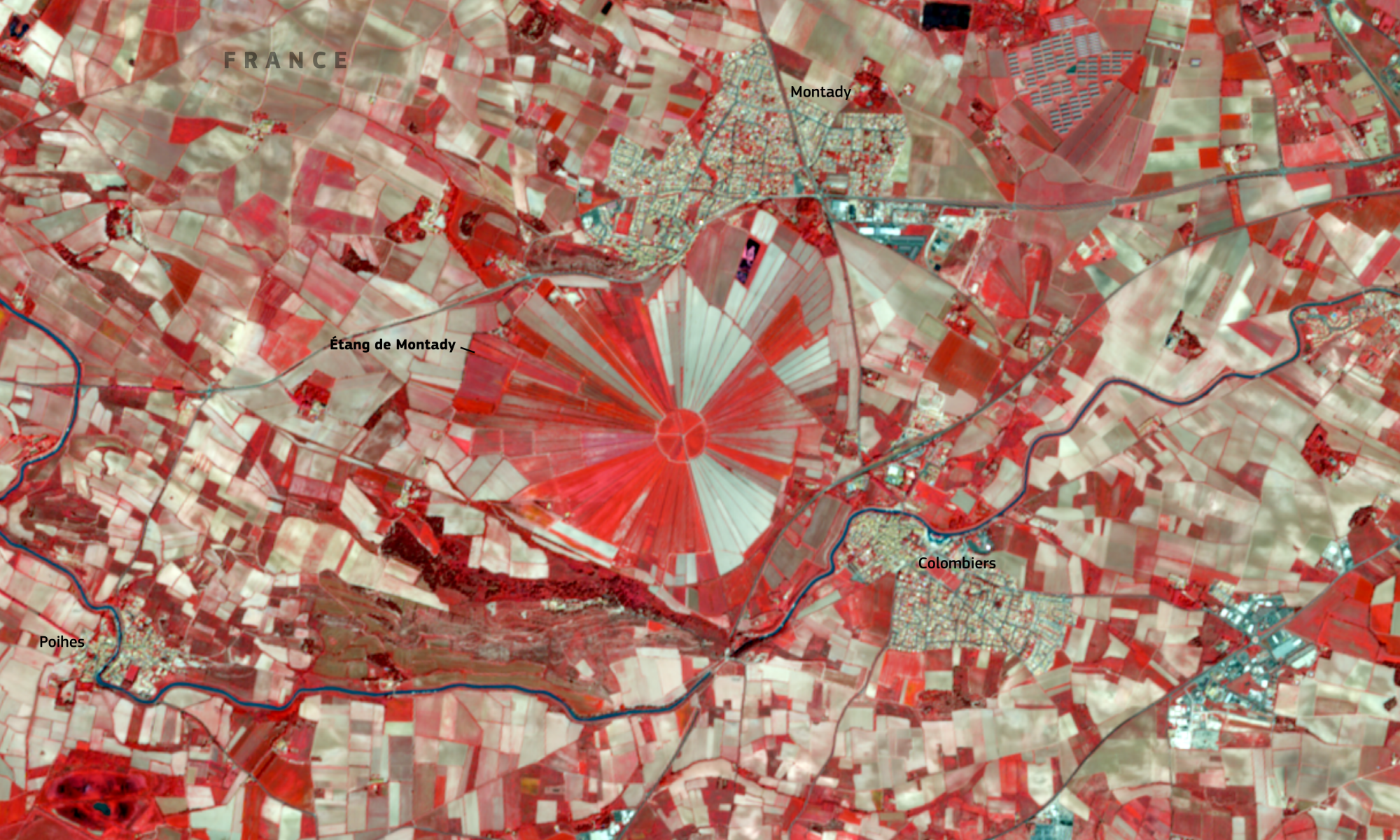
Image of the day The Étang de Montady, southern France | COPERNICUS

Le domaine de la Grande Courtade où “pousse” notre gamme PLAISIR, nos cuvées en IGP Pays d’Oc est passé sous l’oeil attentif de COPERNICUS.. nous vous racontons souvent ce terroir si particulier du “soleil vert” cet étang asséché au moyen âge.

Crédit : Union européenne, imagerie Copernicus Sentinel-2

L’étang de Montady, situé dans le sud de la France près de la ville de Montady, est un exemple remarquable de remise en état des terres au Moyen Âge. À l’origine une zone humide, il a été asséché au XIIIe siècle à l’aide d’un système radial de fossés convergeant vers un point de collecte central. Cette conception hydraulique ingénieuse a transformé la région en terres agricoles fertiles et créé un motif en rayons de soleil qui reste clairement visible aujourd’hui.

Cette image en fausses couleurs, acquise par l’un des satellites Copernicus Sentinel-2 le 11 mai 2024, montre la disposition radiale du paysage agricole entourant l’ancienne zone humide, entrecoupée de canaux et de routes.

Les données ouvertes des satellites Copernicus Sentinel sont essentielles pour surveiller l’évolution de l’utilisation des sols et la productivité agricole. Ces données permettent de suivre la dynamique saisonnière de la végétation et de soutenir la gestion durable des terres et de l’eau dans le monde entier.

New warehouse at château de Luc

Luc’s residents have notices over the last months all the renovation and construction works made at Famille Fabre ! After (finally) re-roofing the château and the winery, we’re now building a new hangar to absorb the surplus orders from our growing business. We’d like to thank all the craftsmen who worked on the site, and look forward to moving in next month!


Sheep again in our vineyard !

Having sheep in the vineyard has many advantages. Sheep grazing helps to keep vegetation under control in an environmentally-friendly way, reducing the need for herbicides and machinery.What’s more, sheep naturally fertilize the soil with their droppings, promoting soil health and biodiversity. Their presence also helps reduce the risk of fire by eliminating dry grass and maintaining a safer environment.

The return of the sheep to the Fabre family vineyards is a symbol of tradition and respect for the land. Using ancestral methods such as biodiversity and holistic management, they are restoring ecological balance while producing quality wines.This return testifies to their commitment to sustainable viticulture.

BIOCHAR : tests in our vineyard

BIOCHAR

Biochar offers a number of advantages for vines. Firstly, it improves water retention and soil structure, promoting better root growth and optimal nutrient absorption. In addition, it helps regulate soil temperature, protecting roots from extremes of heat and cold. Finally, biochar also enhances soil biodiversity by providing a favorable habitat for beneficial micro-organisms, strengthening the vine’s overall resilience to disease and environmental stress.

First tests for the Fabre Family … .to be followed soon here and on our networks!

2023 barley and mustard crop

Orge

Did you know that? When we pull up a vine, we give the soil 5 years to regenerate. We also have some plots that are not suitable for vines, but are better to certain crops.

So we’re also a farmer with a bit of flax, barley, mustard, chickpeas, broad beans, alfalfa… every year it can change!

Here’s a picture of the 2023 mustard harvest, a few months before the fields come into flower.

The barley will be malted before it goes into the brewery of our partner Alaryk, in Béziers, and becomes a delicious beer!